A waterproof concrete sealer is the single cheapest insurance policy against Wexford, PA's freeze-thaw winters. Water that soaks into bare concrete expands when it freezes and takes chunks of the surface with it every time the temperature swings. This guide breaks down the sealer types that actually hold up here, how they compare, and what has to happen before any of them go down.
What a Waterproof Concrete Sealer Actually Does
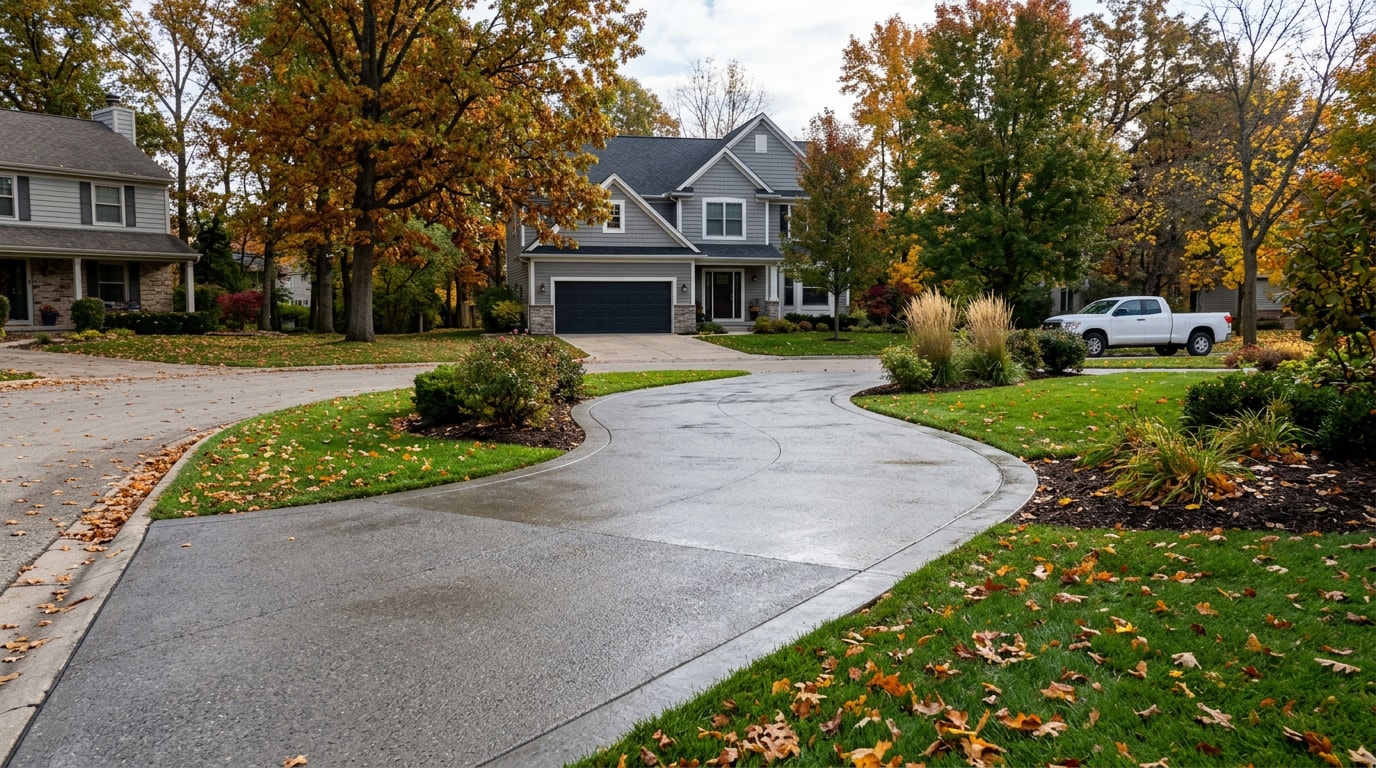
A waterproof concrete sealer blocks moisture, road salt, and oil from soaking into the surface of a driveway, patio, or garage floor. Without it, water gets into the pores of the concrete, freezes, expands, and cracks the surface from the inside out.
The crews at Johnny's Asphalt see the same failure pattern across driveways in Wexford and the surrounding North Hills every spring: sealer applied over a crack that was never filled first, or a surface that was sealed before it was fully clean and dry. Either mistake lets water get trapped underneath, and the sealer fails within a season regardless of how good the product was.
Types of Waterproof Concrete Sealers for Wexford Driveways and Patios
Sealer products split into four broad categories, and the right one depends on the surface, the traffic it sees, and whether you want a decorative finish or an invisible barrier.
| Sealer Type | How It Protects | Best For | Typical Reseal Interval |
|---|---|---|---|
| Acrylic | Forms a thin topical film, wet-look finish | Decorative patios, driveways | 1 to 3 years |
| Polyurethane | Forms a thick, durable film | Garages, high-traffic floors | Several years |
| Epoxy | Forms a hard, thick protective coating | Garage floors, indoor slabs | Several years, UV-sensitive outdoors |
| Penetrating (silane-siloxane) | Bonds below the surface, no film | True waterproofing, salt exposure | Longest of the four, varies by traffic |
Acrylic Concrete Sealer
Acrylic concrete sealers typically need to be re-applied every 1-3 years. They come in water-based and solvent-based versions, and the solvent-based version is what gives decorative concrete that glossy "wet look."
Acrylic resists water and chloride intrusion reasonably well for a film-forming product. It's a popular choice for patios and walkways where appearance matters as much as protection.
Polyurethane Concrete Sealer
Polyurethane is one of the most durable types of sealer on the market, providing excellent protection against water, oil, and grease. That combination makes it a strong fit for garages, where vehicle fluids hit the floor daily.
Plan for a longer cure time before the surface sees foot or tire traffic again compared with acrylic.
Epoxy Concrete Sealer
Epoxy forms a thick, hard coating rather than a thin film, which is why it shows up most often on garage floors. It's a dual-component system that reacts when mixed to form a hard, durable surface, excellent for high-gloss finishes, but it can be very UV sensitive and is not heat resistant.
That UV sensitivity is the reason epoxy is a poor match for large outdoor driveway sections exposed to direct sun and freeze-thaw movement.
Penetrating (Silane-Siloxane) Concrete Sealers
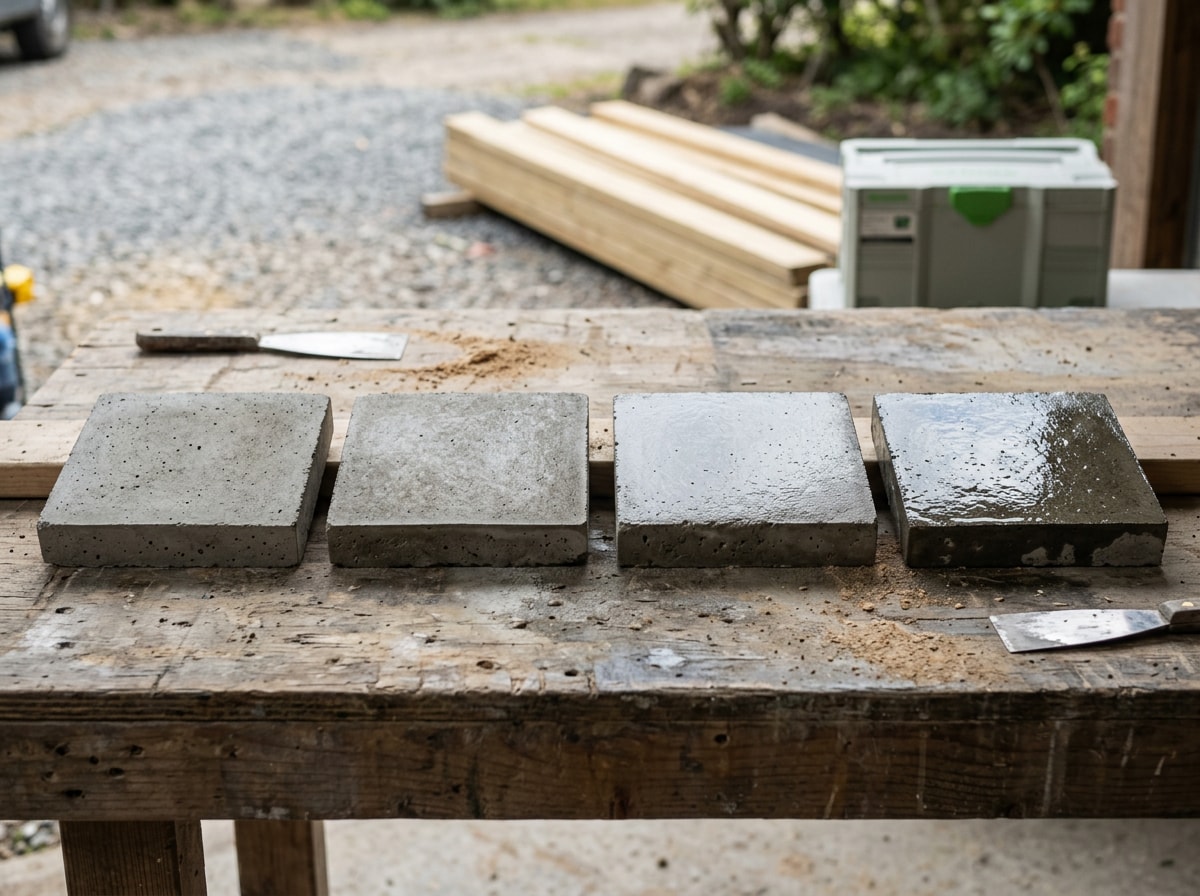
A penetrating sealer reacts chemically below the surface instead of forming a film on top, creating water repellency without changing how the concrete looks. Silane-siloxane formulas are the most popular type of penetrating concrete sealer because they offer the most protection a penetrating sealer can provide.
Because they don't form a film, penetrating sealers stay breathable, letting trapped water vapor escape instead of blistering the surface. Independent lab tests that measure this, like the industry-standard method for determining resistance to water penetration and leakage through masonry subjected to wind-driven rain , are what manufacturers cite when claiming "waterproof" performance, so it's worth asking any product you're comparing which standard it was tested against.
Water-Based vs. Solvent-Based: Which Fits a Wexford Project
Both base types exist across acrylic, and to a lesser extent polyurethane, sealers. The real tradeoff is penetration depth and finish versus fumes and regulation.
| Factor | Water-Based | Solvent-Based |
|---|---|---|
| Penetration | Shallower | Deeper, stronger bond |
| Finish | Natural to satin | Glossy "wet look" |
| Odor/VOCs | Low | High, strong fumes |
| DIY-friendly | Yes, soap-and-water cleanup | Professional application recommended |
| Garage use | Safer indoors | Not recommended in attached garages |
A solvent-based sealer is a poor fit for an attached garage, since the fumes are flammable and shouldn't be applied in occupied dwellings near an open flame like a water heater pilot light. That's one of the more overlooked safety details homeowners run into mid-project.
VOC content isn't just a smell issue, either. Federal regulation caps how much solvent these products can legally contain, and the limits vary by sealer category, so it's worth checking a product's label against the current EPA VOC content limits for architectural coatings, which set concrete protective coatings at 400 g/L and concrete curing and sealing compounds at 700 g/L before buying in bulk.
Benefits of Professional Concrete Sealing in a Freeze-Thaw Climate
- Blocks water before it can freeze and expand inside the concrete
- Resists road salt and de-icing chloride damage through winter
- Reduces oil and stain penetration on driveways and garage floors
- Extends the years between resurfacing or replacement
- Preserves color and finish on decorative concrete
Cracks that already exist should be addressed before any sealer goes down. Trapped moisture behind an unfilled crack defeats the purpose of a waterproof coating, which is why crack filling ahead of sealing closes that gap first.
Left unsealed and unfilled, these same cracks are usually what turns into spalling concrete by the following spring, a much more expensive repair than a crack fill and a reseal.
Concrete Surface Preparation Before Sealing
No sealer, waterproof or otherwise, bonds properly without correct prep work. Skipping this step is one of the most common reasons a sealer fails within a season, regardless of which product was chosen.
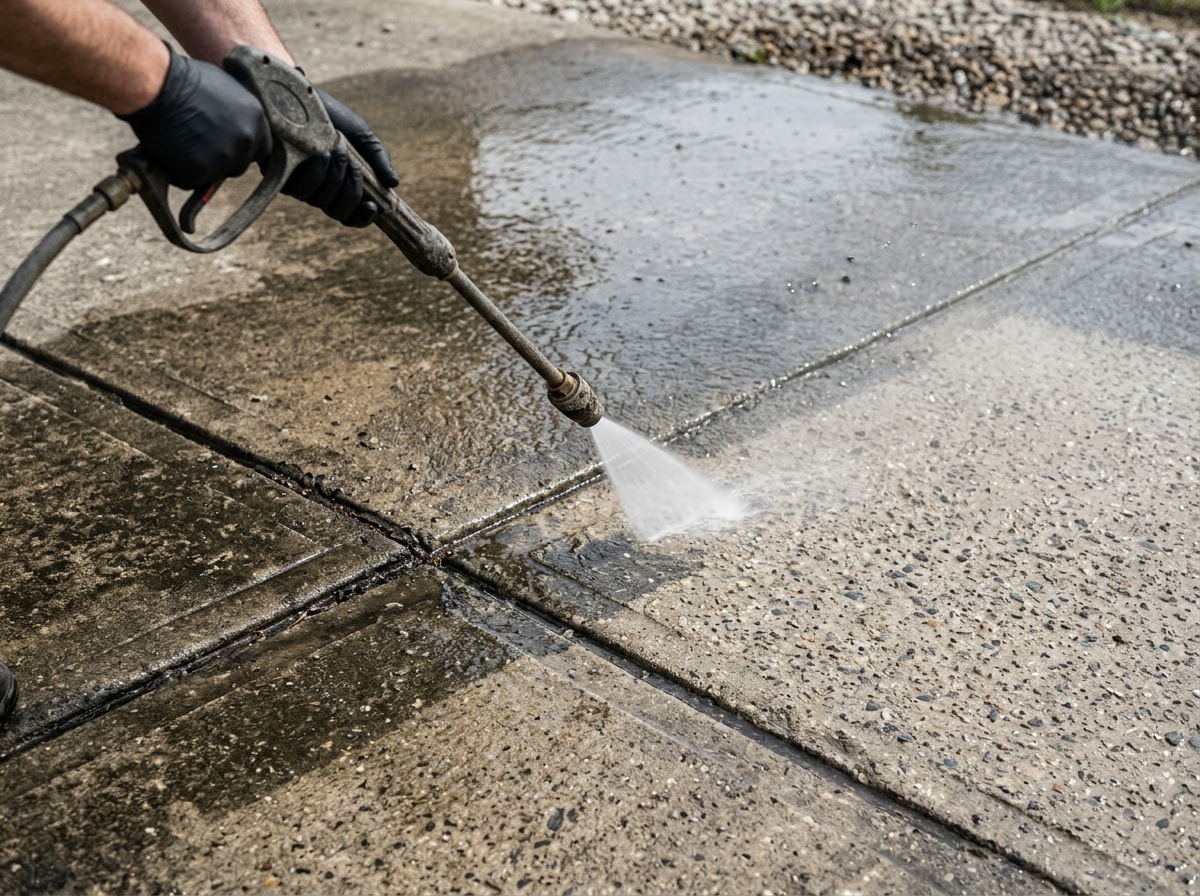
Proper prep generally includes:
- Cleaning away oil, dirt, and old sealer residue
- Etching or mechanically opening the surface pores so sealer can bond
- Letting the surface dry completely, since trapped moisture causes bubbling
- Priming unusually porous material, like older or cinder-block-adjacent concrete
- Confirming the slab has cured long enough for the chosen sealer type
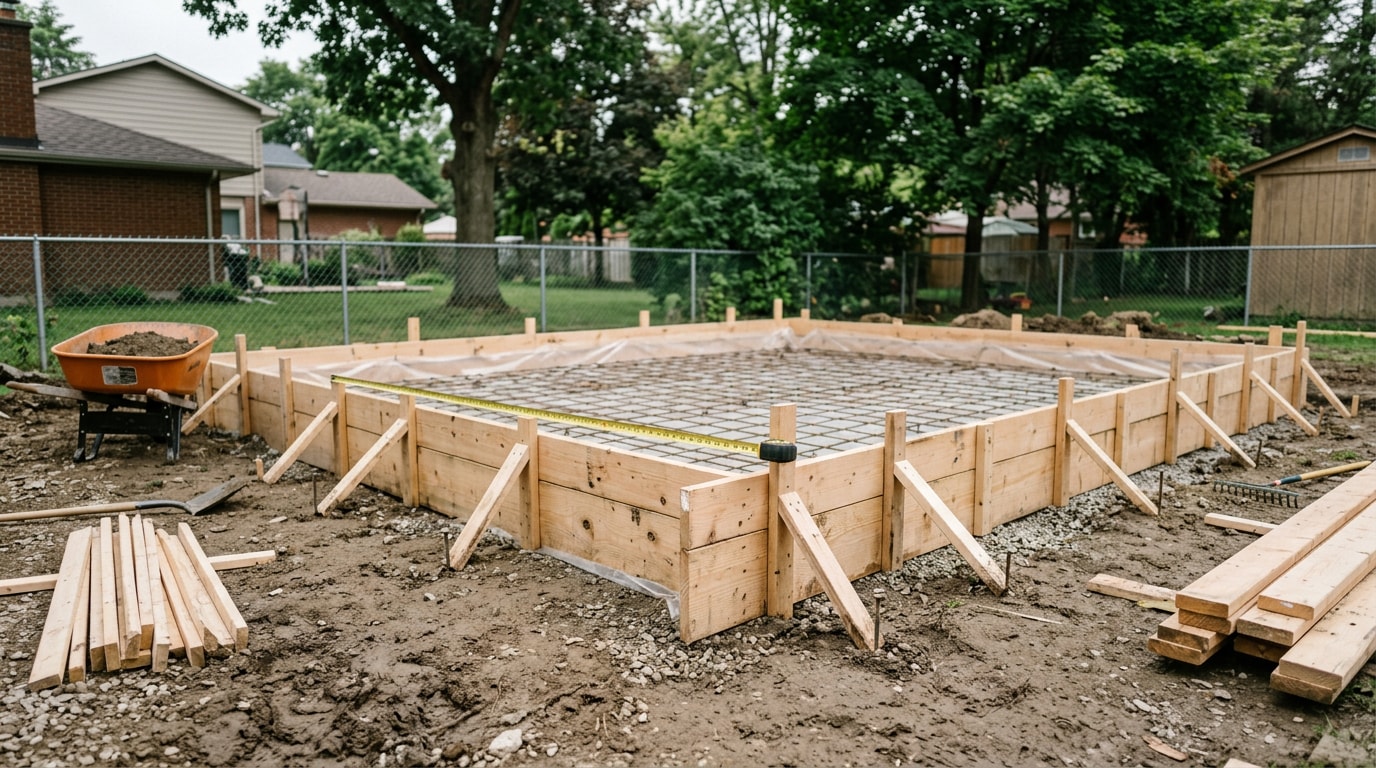
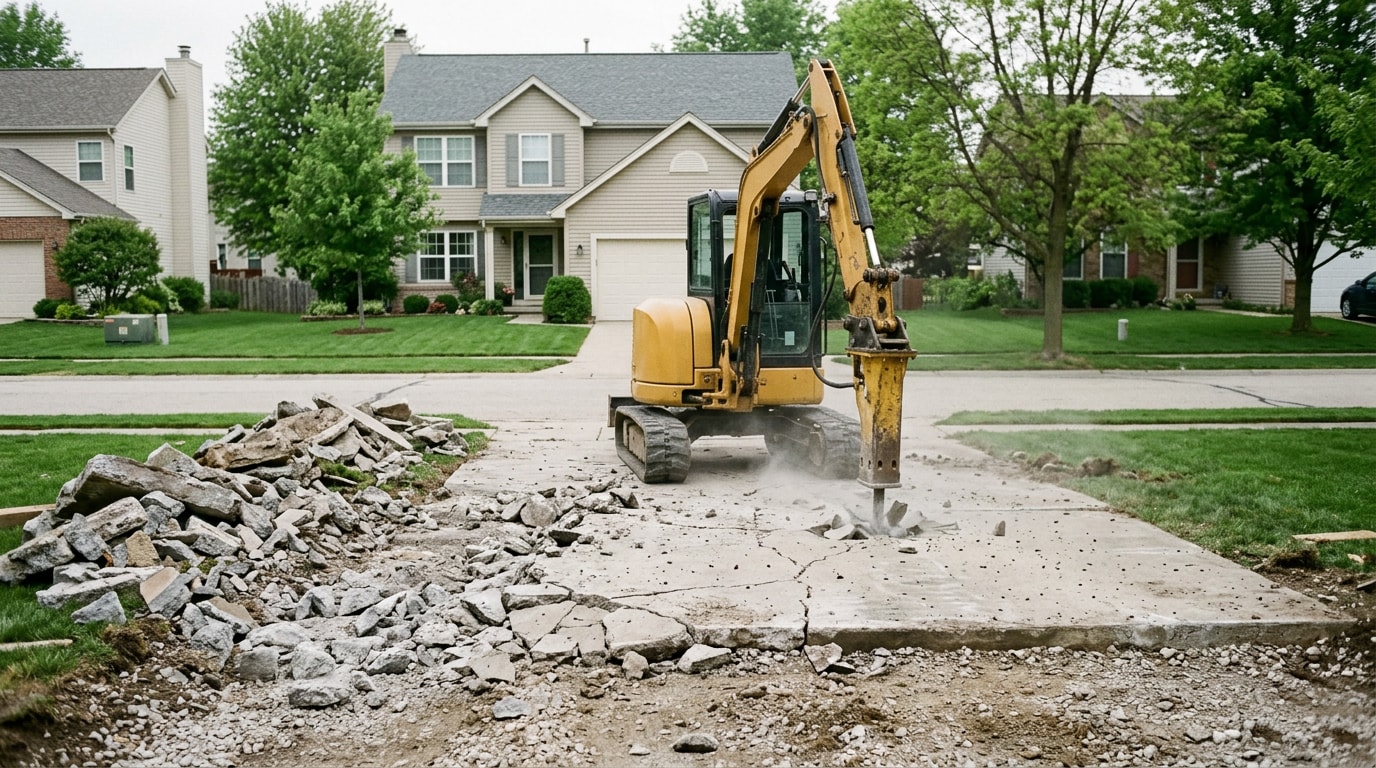
For larger jobs, especially new pours or driveways with grading issues, professional site preparation gets the surface ready before any coating goes on. Surfaces that were finished smooth and properly cured hold sealer longer too, which is where concrete finishing work pays off down the line.
If you want hands-on guidance for industry-standard prep and application steps, the Sealer Selection and Application Guide published by a national concrete contractors' association is a solid reference before comparing products.
Get a Free Estimate for Sealing or Prep Work
Whether you need a driveway sealed, cracks filled first, or the whole surface reprepped before sealer goes down, Get My Free Estimate and a local crew will walk the job with you. Johnny's Asphalt works throughout Wexford, PA and the North Hills, and you can see the full range of paving and concrete services on the Johnny's Asphalt homepage.
FAQ
How long does waterproof concrete sealer last?
It depends on the type. Acrylic sealers typically need reapplication every 1 to 3 years. Penetrating silane-siloxane and polyurethane products generally last longer between applications, though exact timing still depends on traffic and sun exposure.
What is the best type of concrete sealer for a Wexford driveway?
There's no single best sealer; it depends on the surface and use. A decorative patio calls for different properties than a garage floor exposed to oil and road salt, so match the sealer type to the job rather than picking one product for everything.
Is a water-based or solvent-based sealer better for freeze-thaw climates?
Solvent-based sealers penetrate deeper and cure to a glossier, often longer-lasting finish, but carry higher VOC levels and stronger fumes. Water-based sealers are lower-odor, easier for DIY application, and the safer choice for attached garages or enclosed spaces.
How often does concrete need resealing?
High-traffic, sun-exposed decorative concrete usually needs new sealer every two to three years, while lighter-traffic areas can go four to five years between coats. A simple water bead test, splashing water on the surface and watching whether it beads or soaks in, tells you if resealing is due.
Can I apply concrete sealer myself, or does it need a professional?
Water-based acrylic sealers are reasonably DIY-friendly for a small patio or walkway. Solvent-based products, penetrating sealers on large driveways, and any job where the prep work (crack filling, etching, moisture testing) is extensive are better left to a professional to avoid an early failure.
What's the difference between a concrete sealer and basement waterproofing?
A concrete sealer treats the surface of a slab, driveway, or patio to repel water, salt, and stains from above. Basement waterproofing is a separate system that manages groundwater and moisture around a foundation; it's a different scope of work from sealing a driveway or patio surface.